
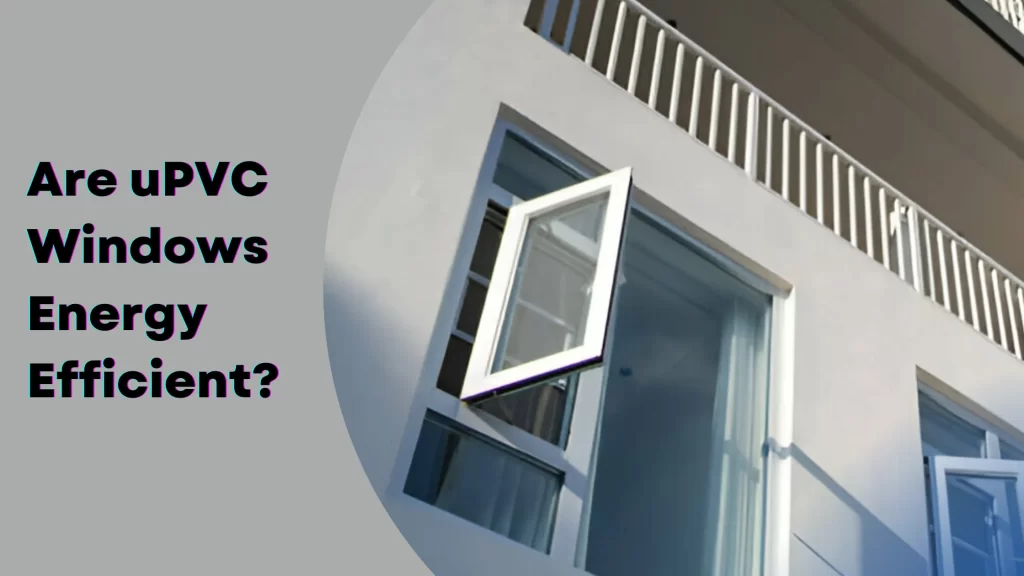
Energy efficiency is indeed a top concern of management these days because the cost of energy is said to be increasing every day and environmental issues are rising. Sustainability is becoming more and more a factor of modern residential home designs, and windows may be one of the most important details of making this accomplishment.
Among all, the uPVC (Unplasticized Polyvinyl Chloride) windows have become extremely popular in the field of sustainable architecture. uPVC windows are promoted on the market as energy-saving; they are heralded due to their resistance, low-maintenance, and thermal insulation features.
Are uPVC windows energy efficient, or is it a buzzword? In this article, we are going to discuss about the features, performance and real-time advantages of uPVC windows to answer this significant question.
Table of Contents
What Is uPVC?
Unplasticized Polyvinyl chloride (or uPVC) is a type of PVC, which is rigid and highly resistant to chemicals, and is used significantly in window and door frames. Compared to the conventional type of PVC, uPVC lacks plasticizers, which renders it much stronger, long-lasting, and more suitable to be use in structural applications.
Key Characteristics of uPVC
Durability: uPVC cannot be termite-affected, and this material can resist weather and corrosion very easily. It does not warp, rotten and fade, and this makes it ideal in hot and humid zones as well as in cold weather.
Low Maintenance: uPVC plastics do not need painting, sealing and treatment as wood does. It should be kept clean with the help of water regularly and it should be fine.
Thermal Insulation: The thermal conductivity of uPVC is very low and this assists it to trap heat inside the home in the winter and prevent heat from entering the home during summer, therefore ensuring that uPVC is a naturally energy-saving material.
uPVC vs. Other Window Frame Materials
uPVC vs. Wood: Although wood provides the traditional beauty, it can be easily rotten and warped and needs frequent maintenance. uPVC has almost the same insulation but much less maintenance.
Aluminum vs. uPVC: It is sleek and durable, unlike uPVC but highly conductive, which means that it transfers heat much more easily unless fitted with thermal breaks. uPVC, in contrast, provides better thermal performance out of the box.
Understanding Energy Efficiency in Windows
It is worthwhile to consider the aspects that render any window energy efficient to finally determine whether uPVC windows can be considered energy efficient.
What Makes a Window Energy Efficient?
The energy-efficient window will help ensure that the amount of transfer through the window is minimised to a given level and prevent energy loss as much as possible and also maintain a constant temperature within the building. It enables it to maintain your home cool in summer and warm in winter, thus you do not have to use artificial heating or cooling systems which in simple terms would translate to fewer energy bills and a smaller carbon footprint.
Key Factors That Contribute to Energy Efficiency
Window Frame Material
The kind of substance used in the window frame influences the amount of heat that is conducted. Metal, such as aluminium, has lower insulation potential than other materials like uPVC, which has low thermal conductivity.
Glazing (Glass Type)
Thermal performance is greatly enhanced using insulating gas (such as argon) between layers of heavy-duty or even triple glazing. Insulation can also be done by using Low-E (low emissivity) coating to reflect heat.
Sealing and Air Tightness
Well-crafted seals and gaskets eliminate drafts and air leakages. Any efficient window has to be airtight so that the warm air does not leak out and the cold air should not get in.
Installation Quality
The quality of windows might not perform well after all unless properly installed. Energy-efficient uPVC windows can seal it tighter, but the efficiency is trumped by misalignments or bad sealing around the frame, which can render the window unit’s energy efficiency as futile.
Key Terms to Know
U-Value: The value that will indicate the efficiency of the window to retain heat. The lower the U-value, the better insulated.
Solar Heat Gain Coefficient (SHGC): It is the measure of transparency of solar radiation through a window. A lower SHGC can alleviate the problem of being overheated in the warmer climate, whereas a higher SHGC might be desired in cooler climes.
Thermal Insulation: The heat resistance levels of the window and how it will keep the interior cool in that respect.
How uPVC Windows Enhance Energy Efficiency?
The design of uPVC windows is such that they directly lead to a better performance in terms of thermal and energy saving. This is the way they differ:
Multi-Chambered Frame Design
uPVC window frames are made into a many-chambered structure. These rooms entrap air pockets that naturally insulate. The design provides an efficient form of heat reduction flow through the frame that assists in the consistency of indoor temperatures and an improvement of the overall energy efficiency.
Double/Triple Glazing Compatibility
The uPVC frames can easily suit either a double or triple glazing, which has two or more panes of glass separated by insulating air or inert gas (such as argon ). The mixture forms a robust thermal envelope that seriously prevents heat reduction during winter or heat gains during summer.
Superior Sealing
Quality gaskets and precision-made uPVC windows give airtight seals, thereby keeping out drafts and loss of air. This will save a lot of energy, and comfort levels will be high indoors even when the weather is extreme.
Low Thermal Conductivity
In contrast to aluminium, which is a good heat conductor, uPVC is a bad one. This implies that it does not conduct the exterior temperatures indoors, and hence your house will be warmer in winter and colder during summer without having to be excessively dependent on the use of heating and to make the house cool.
Benefits of Energy-Efficient uPVC Windows
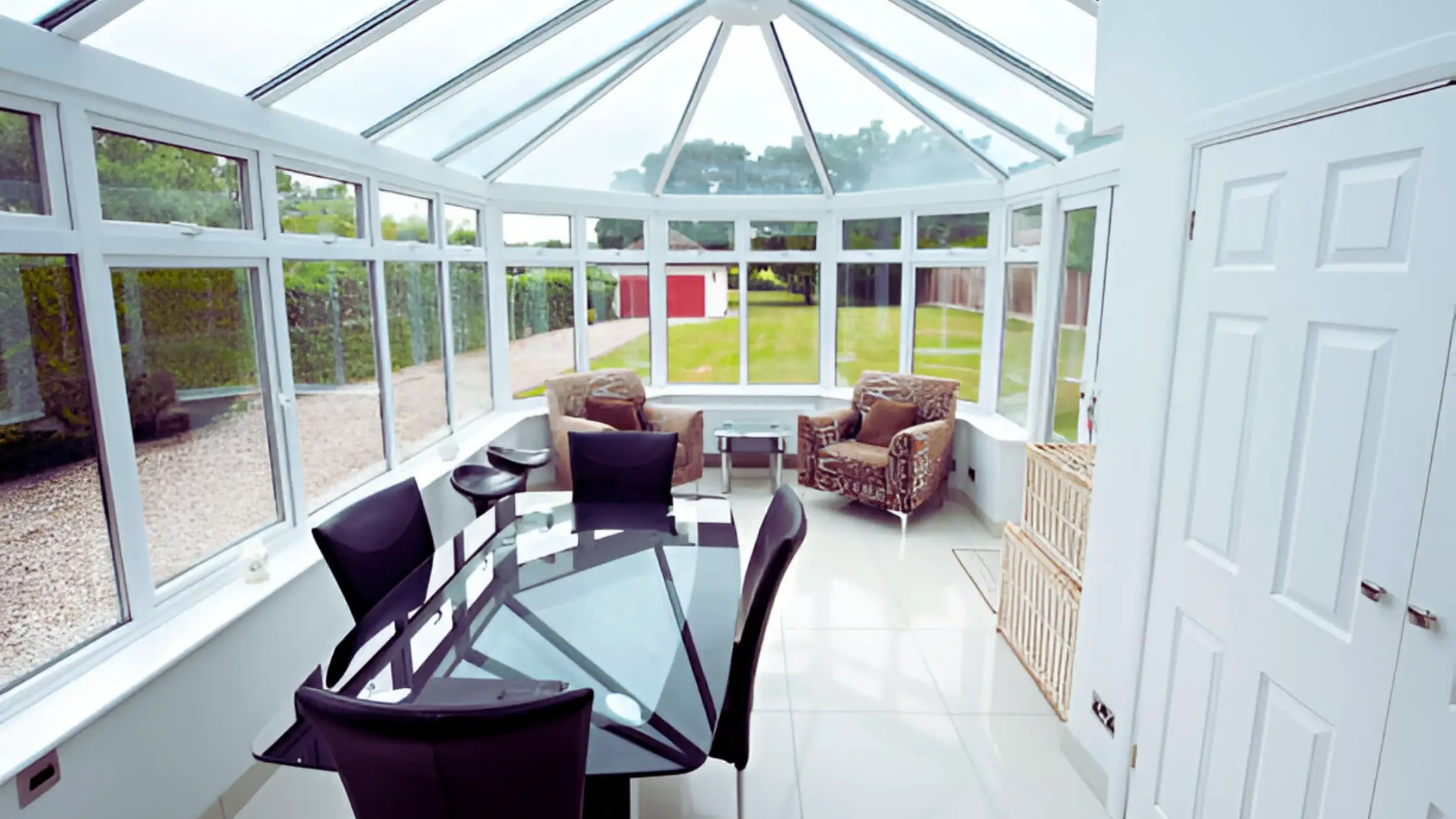
Good looks aside, there is another side to uPVC window investment, it delivers real, everyday benefits that enhance its quality of life as well as contribute to sustainable long-term savings.
Reduced Energy Bills (Heating/Cooling)
The high rate of insulation and airtight sealing make the uPVC windows minimise heat loss in the winter and air heat gain in summer. This would reduce the load on your air conditioners and heating systems, which subsequently reduces your monthly electricity bills throughout the year.
Enhanced Indoor Comfort Throughout Seasons
The uPVC windows are very useful in providing a constant and comfortable temperature inside the house, irrespective of the climatic conditions outside. No more cold drafts in the winters and overwarmed rooms in the summers, but rather a comfortable living environment in all the seasons.
Lower Carbon Footprint and Eco-Friendliness
Reducing the amount of energy you use to heat and cool your home not only helps you save some money, but it will also help you make a positive step toward your environmental impact. uPVC windows are energy efficient and thus they have a lower carbon footprint, meaning that your home is sustainable and environmentally responsible.
Noise Insulation as a Bonus Benefit
Reducing the amount of energy you use to heat and cool your home not only helps you save some money, but it will also help you make a positive step toward your environmental impact. uPVC windows are energy efficient and thus they have a lower carbon footprint, meaning that your home is sustainable and environmentally responsible.
uPVC Windows and Climate Suitability
The UPVC windows are very well designed to meet various climatic conditions present in India. Carrying one through the scorching hot summer months, the downpouring monsoons and the mild cooler season, these windows are dependable all year round. They are moisture, UV radiation, and temperature fluctuation resistant, which contributes towards making them a popular material in contemporary Indian homes. More specifically, in areas with a generally hot and humid climate and with a lot of downbeat, such as Kerala uPVC Windows provide better protection against problems such as swelling, warping and corrosion, which the traditional wooden or metal frames encounter quite frequently.
uPVC windows are very efficient in adapting to any local conditions in the coastal, tropical or colder areas. They minimise heat gain, especially in hot areas, making interiors cooler and thereby reducing the use of air conditioning. They are salt air resistant and they do not absorb water in the humid part or the coastal environment, thus long-lasting. In the colder northern regions, their multiple-chamber design and insulation help to conserve indoor warmth, so that it reduces the need to heat the rooms by using room heaters. The climate compatibility of uPVC windows makes it an all-season, all-region solution to windows of homes all over India.
Comparing uPVC with Other Window Materials
When investing in the correct window frames to place in your home, it is important to know the advantages and disadvantages of the uPVC relative to the other high-preferred window materials, such as aluminium and wood, in light of the cost of energy, maintenance and functionality.
uPVC vs. Aluminum
Although aluminium frames are reputed to be sturdy and very modern, they fail when thermally insulated. Aluminium is a very conductive material and that is why it can conduct heat and cold easily and thus is not very energy efficient unless they have a thermal break (adding cost to it). On the contrary, uPVC is an insulator in itself, contributing to the maintenance of warmth inside as well as hindering heat transfer. uPVC also outsmarts aluminium when it comes to condensation control by a far margin since it is not as quick in transferring temperature changes inside it compared to aluminium. In terms of cost, the uPVC windows are relatively cheaper and hence the most effective and reasonable to use by most homeowners.
Read more: Which One is Better, UPVC or Aluminium Windows?
uPVC vs Wood
Wooden windows have a traditional appearance and are fairly insulating, though they need a lot of maintenance to prevent rot, infestation by insects and weathering. Wood is also likely to swell, warp and decay in the humid environment or in coastal areas and uPVC is resistant to weather, termites and does not require painting or polishing, except that it requires periodic cleaning. As far as insulation is concerned, uPVC is just as good as wood because it has multi-chambered designs and can seal well. In terms of durability, low maintenance and energy efficiency, uPVC is more convenient for a house owner in the long run.
Read more: uPVC vs. Wooden Windows: Which is Better for Kerala Homes?
What to Look for in Energy-Efficient uPVC Windows?
Not all uPVC windows are equally energy efficient. In order to make a prudent investment, it’s important to evaluate certain attributes that work towards insulation, housing and functionality.
Quality of Frame and Multi-Chamber Design
A uPVC frame ought to be of high quality, so it ought to possess a multi-chambered profile. Air is trapped in these inner rooms improving the thermal insulation and the structural integrity. Make sure they have thick, rigid profiles with uPVC grade of high quality to last long and not waste energy.
Glazing Options: Double-Glazed, Low-E Glass
To maximise insulation, select insulated windows, i.e. double or triple-glazing. Combining this with Low-E (low emissivity) glass would reflect some heat into the room and there is less glare and UV penetration. This has vastly enhanced thermal performance, especially in harsh climates.
Quality Hardware and Professional Installation
The sealing and lock system also determines the energy efficiency of windows. Make sure that the window has good rust-proof hardware and close-fitting gaskets. It is important that they are properly installed by a certified person in order to exclude the chances of gaps or draft formations and the lack of alignment that would run the risk of insulation.
Certifications and Energy Ratings
Always, where window choice is available, choose the right uPVC windows with the ISI certification or energy-efficient windows. These guarantee that the industry standards of safety, efficiency and reliability are met on the product. Such ratings are commonly expected to be available from trusted manufacturers and suppliers to make a good decision.
The uPVC windows have various advantages with regard to the making of the windows and hence it is perfect in increasing house energy efficiency. Multi-chambered frames, outstanding sealing, the ability to withstand either two or three glazing, and low thermal conductivity are just a few features that ensure uPVC windows maintain a stable indoor temperature while minimising the energy required. They reduce the cost of heating and cooling and they also ensure increased noise and weather insulation.
The installation of uPVC doors is a sound, long-lasting investment for every homeowner who wants to enhance their indoor comfort and minimise their green footprint. In case you are planning to refresh your windows, then energy-efficient and uPVC windows with a reliable manufacturer should be selected. In Kerala, Premier Buildtech is one of the best suggestions. They offer long-lasting high quality uPVC windows that would best suit the Kerala climate.
Trust Premier BuildTech for the best uPVC windows and doors in Calicut, Kerala for credible solutions and performance that stands strong all year long.
